
The Wolf Moon: Vigilance, Release, and Calling Your Voice Back
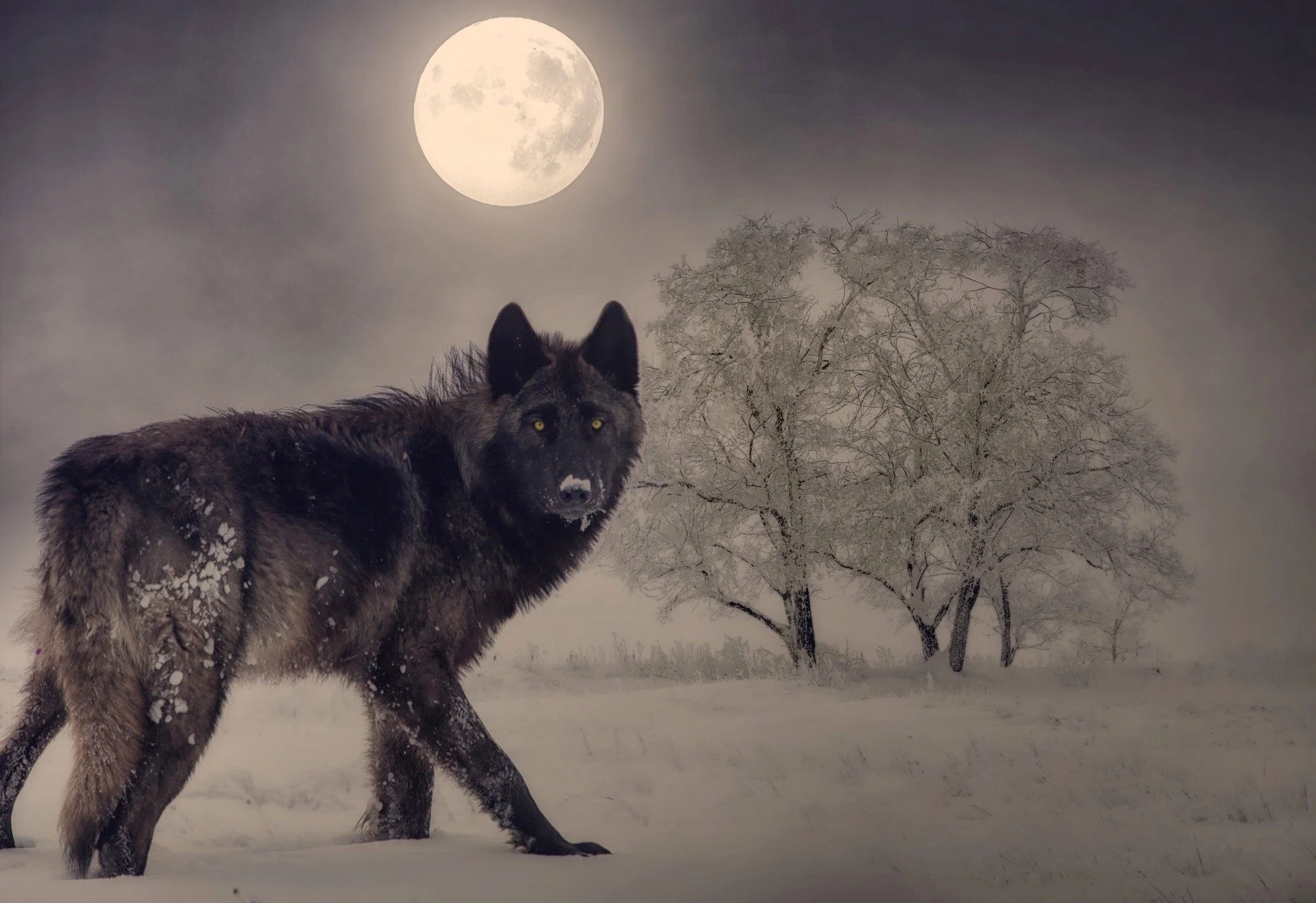
The Wolf Moon arrives January 3rd—not as an ancient, universal Indigenous title, but as a name shaped through European and North American observation, later preserved in 18th-century colonial almanacs and formally standardized in the early 1900s Farmer’s Almanac tradition.
These almanacs were not sacred texts. They were practical tools—blending astronomy, agriculture, folk belief, and seasonal observation from many traditions into a single working calendar.
And yet, the symbolism endured because it was accurate.
January was the coldest, leanest stretch of winter. Food was scarce. The land was locked in ice. And wolves—driven by hunger and movement—became more vocal. Their howls carried farther across frozen terrain, echoing through forests and fields at night.
People heard them.
And they understood the message.
The Wolf Moon is not about romance or fantasy.
It is about survival, vigilance, and emotional truth.
What the Wolf Moon Actually Symbolizes
Across medieval European folk practice, Renaissance lunar magic, and early modern almanacs, this moon was associated with:
Watching the horizon
Staying alert during hardship
Clearing what could not be carried forward
Naming emotional truth
Closing doors before the year truly began
This was not a moon for calling things in.
It was a moon for paring things down.
The Wolf Moon marked a threshold—the first reckoning of the calendar year. A moment to ask:
What must be released so I can endure what’s ahead?
Winter, Land, and Ancestral Memory
In Europe, winter households kept one flame lit—a hearth fire, a lamp, a candle—not for comfort alone, but as a symbol of vigilance. Stay awake. Stay aware. Protect what remains.
Here in the Pacific Northwest, winter has long served the same function. Indigenous winter traditions emphasized storytelling, preparation, repair, and remembering—a season not of production, but of preservation. Medicines gathered earlier in the year were relied upon now. The body was fortified, not pushed.

In my own ancestral lines—Scottish, Irish, English—wolves were not merely feared. They were respected as symbols of kinship, endurance, and watchfulness. They represented the voice that carries through the dark to keep the pack together.
The Wolf Moon holds all of this.
Not myth—but memory.
The January New Moon: The Quiet Reset
(January 18 — New Moon)
As the Wolf Moon wanes, the cycle continues in near silence with the New Moon on January 18.
Historically, winter new moons—especially those falling in January—were not worked with for growth or manifestation. In European folk traditions and early American household practice, this moon marked a reset of attention, not ambition.
This was the point in the season when supplies were counted, fires were tended carefully, and unnecessary movement was avoided. The work of this moon was simple: reduce noise, conserve energy, and regain internal order.
A Small, Historically Aligned January New Moon Practice
On the night of the January New Moon, choose one space—physical or emotional—and make it quieter.
Extinguish excess lights
Clear one surface
Or sit briefly without speaking or planning
Then ask yourself:
What deserves less of my energy right now?
No tools. No declarations. Just recognition.
What is acknowledged under this new moon
is what the Wolf Moon later asks to be released.
The Wolf Moon in Cancer: Emotional Honesty & Boundaries
This Wolf Moon falls in Cancer, adding a powerful layer of emotional truth, inner tending, and boundary-setting.
Cancer rules the home, the body, the nervous system, and what we protect when resources are limited. Under this moon, emotional clarity becomes unavoidable—not dramatic, but honest.
This is a moon for:
Naming what you’re still carrying
Closing emotional loops
Reclaiming your voice
Setting boundaries that protect your inner world
A Historically Rooted Wolf Moon Ritual
This ritual stays aligned with how full moons were actually worked with—simple, embodied, and practical.
🕯 Step One: Light a Single Flame

Light one candle only.
This mirrors winter hearth practice across cultures. One flame meant vigilance. Awareness. Presence.
Sit quietly and ask yourself—privately:
What am I carrying into this year that I no longer need?
No journaling yet. Just listen.
Step Two: Warm the Body (Tea or Bath)
Prepare a mug of your nervine, grounding tea—something calming, supportive, and steadying—or begin a warm bath with your bath soak.
Winter rituals always involved warming the body first. Cold stiffens emotion. Warmth softens truth.
Drink slowly or soak intentionally.
Let your nervous system settle.
This is not indulgence.
It is preparation.
Step Three: Release Through Sound
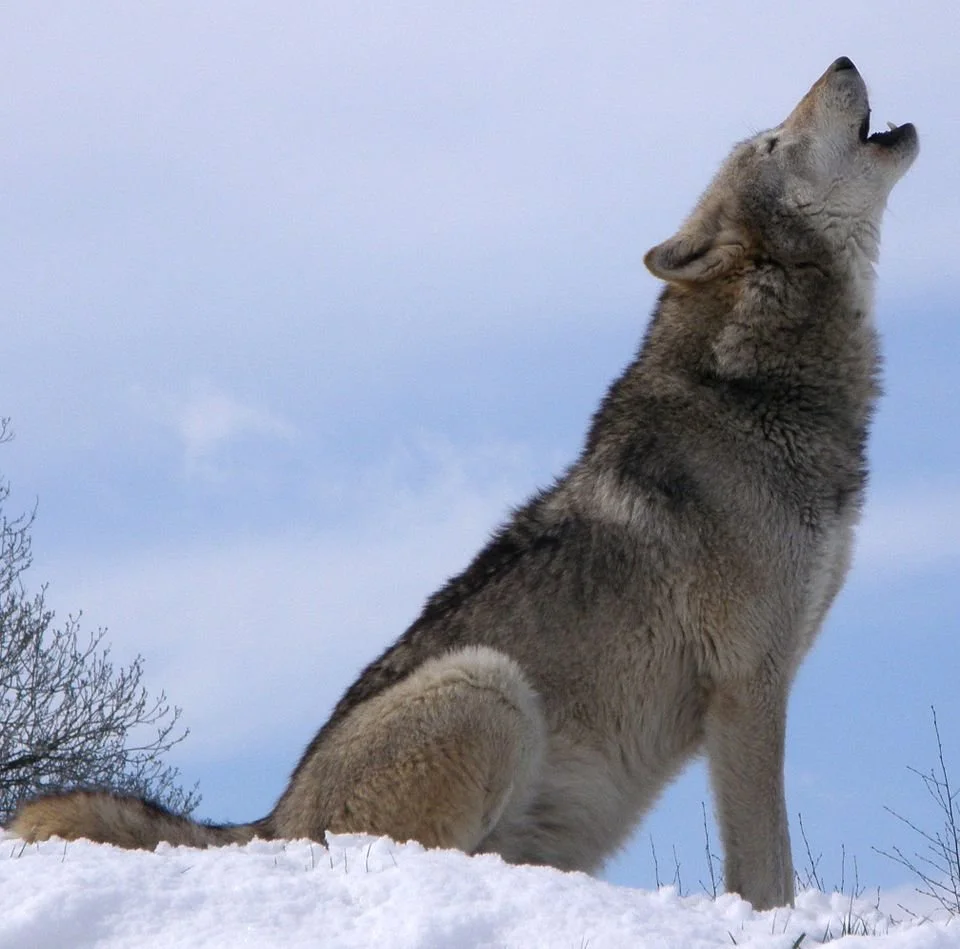
Sound has long been used in folk traditions to clear stagnant emotion.
You do not need to howl—though you may.
A low hum, a voiced exhale, or steady breathwork is enough.
Let sound move through your chest.
Let it carry something out.
This is the wolf calling across the dark.
The voice returning.
Step Four: Set One Boundary
Full moons were historically used to close things down.
Write one boundary you are setting for the year ahead.
One door you are closing.
One pattern you are no longer feeding.
You may:
Burn the paper as release
Or keep it visible as declaration
Both methods are historically rooted.
Step Five: Anchor It With Action
Winter moon work was always paired with practical reinforcement.
Choose one small physical action:
Mend something
Clean a single space
Organize one drawer
Tend one neglected corner
This anchors emotional clarity into the body and home.
Meaning follows action.
What This Moon Is—and Is Not
The Wolf Moon is not about manifesting.
It is about resetting.
It clears the emotional backlog.
It sharpens awareness.
It calls your voice back to you.
Think of wolves calling to their pack across frozen land—not in fear, but in recognition.
This moon marks the first true threshold of the year.
Release what drags.
Protect what matters.
Let your voice return—clear, strong, and heard.
Go into the year awake.
Go into the year loud.
And as always, my friend, take care of you.
Melody
